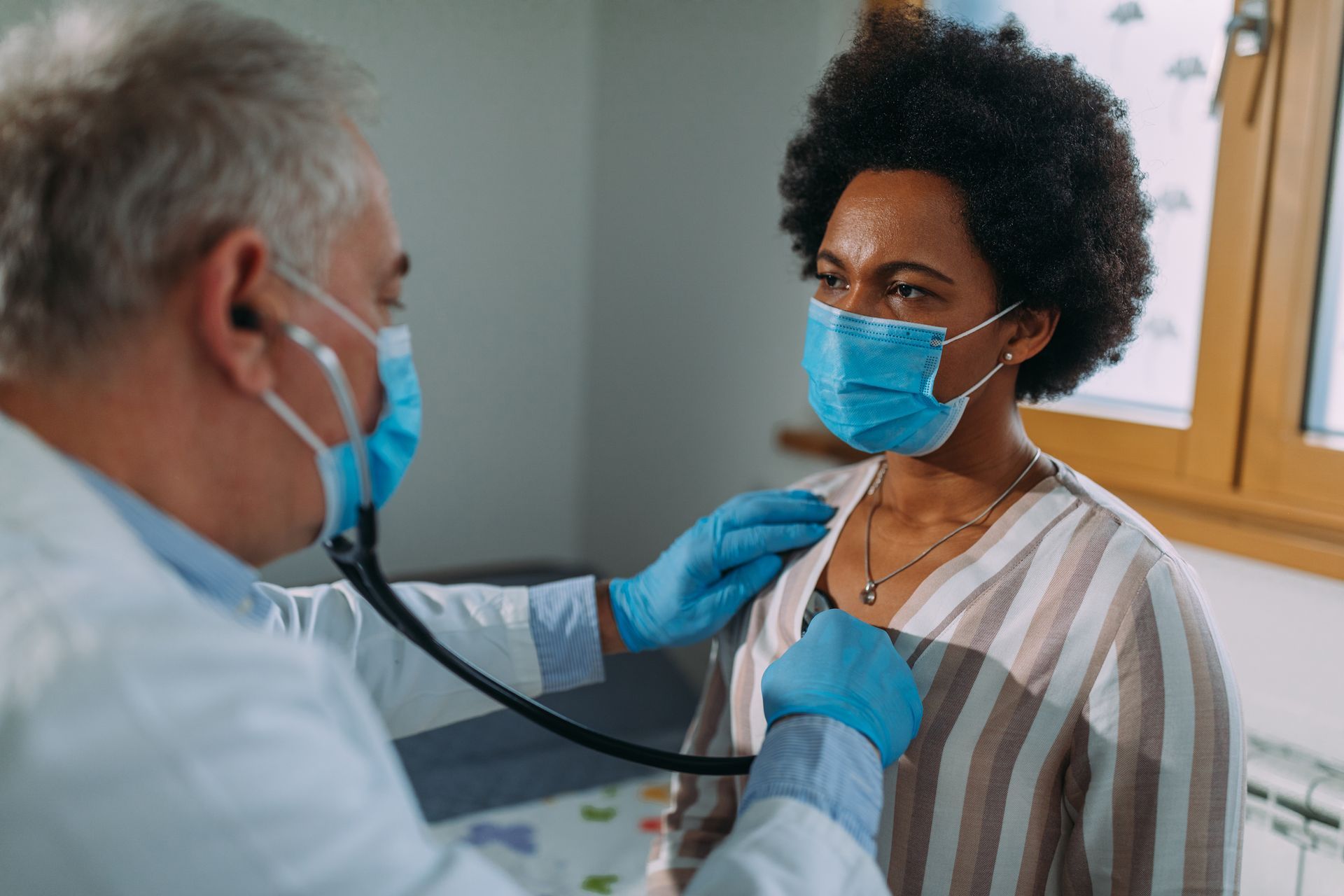
Preventive Screenings Women Shouldn’t Skip in Their 30s, 40s, and 50s
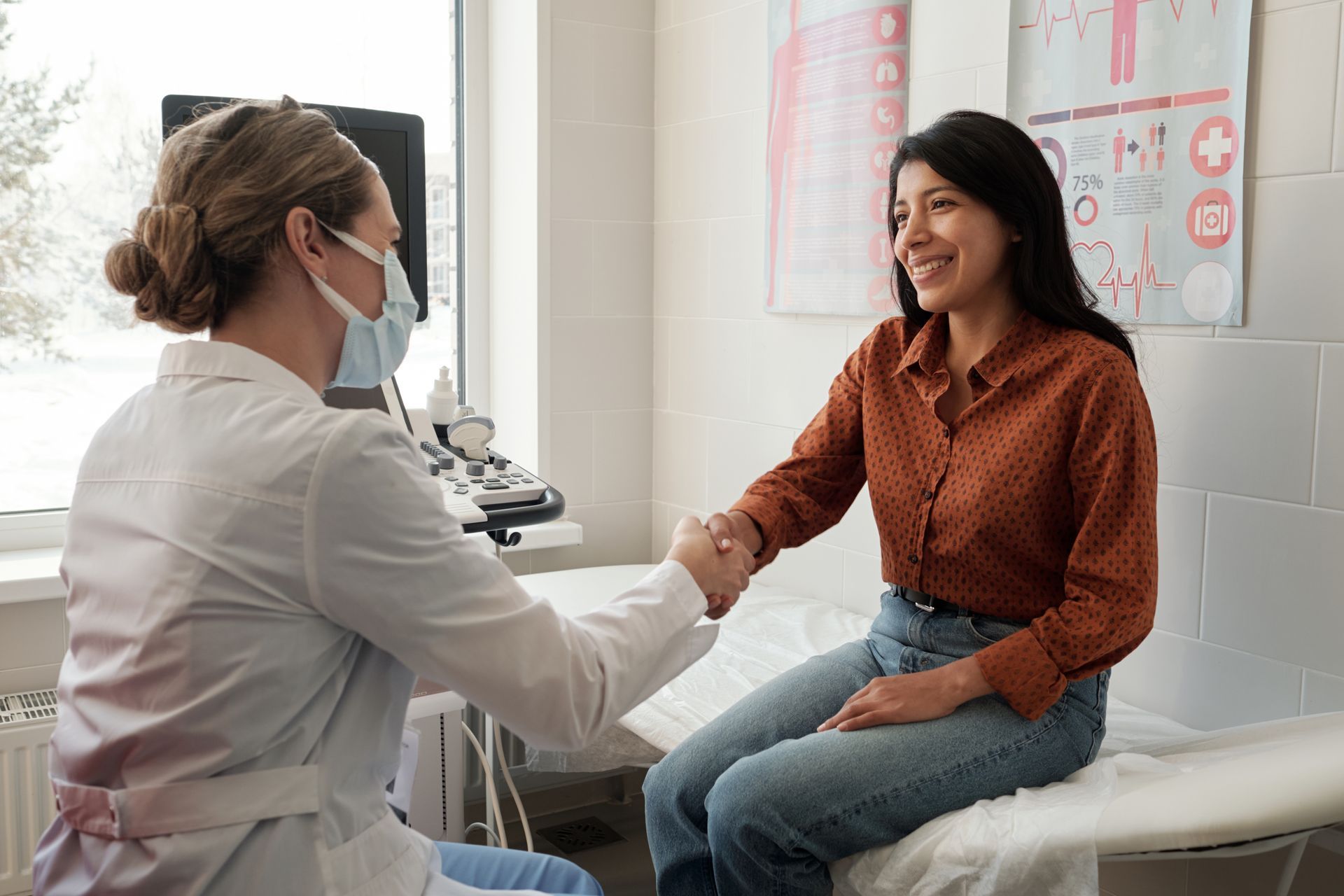
Many women prioritize work, family, and daily responsibilities, often putting their own health needs aside. Feeling healthy is a good sign but does not always mean everything inside the body functions properly. Preventive screenings find potential health concerns early, when they are easier to manage and treat.
Your 30s: Building a Strong Foundation
Your 30s are the ideal time to establish healthy habits and stay consistent with preventive care. Annual physicals let your healthcare provider monitor blood pressure, cholesterol, and overall wellness and discuss nutrition, exercise, and mental health.
Routine gynecological visits should continue to be a priority. These appointments cover more than reproductive health—they provide a chance to discuss menstrual changes, family planning, breast health, sexual wellness, and any concerns. Depending on your age and health history, your provider may recommend a Pap smear, HPV testing, or both to screen for cervical cancer.
Your 40s: Expanding Preventive Care
As women enter their 40s, additional screenings become more important. Many begin routine mammograms based on age, family history, and personal risk factors. Diabetes screening, skin cancer checks, and discussions about colorectal cancer screening should also be part of regular preventive care.
Gynecological visits continue to play an essential role during this stage of life. As hormonal changes and perimenopause begin, your provider is able to help manage symptoms, monitor reproductive and pelvic health, perform recommended exams, and ensure cervical cancer screenings remain up to date.
Your 50s: Remaining Proactive
In your 50s, preventive care focuses on maintaining well-being and lowering age-related risks. Colorectal cancer screening becomes especially important. Bone density testing helps evaluate osteoporosis risk after menopause. Regular mammograms, blood pressure checks, and cholesterol monitoring also remain key parts of a healthy aging plan.
A common misconception is that women no longer need to see a gynecologist after menopause. Annual gynecological visits remain an important part of preventive healthcare. These appointments let providers address postmenopausal concerns, monitor pelvic and breast health, discuss urinary or vaginal symptoms, and determine if continued cervical cancer screening is appropriate based on your medical history.
Don’t Skip Your Annual Gynecological Visit
Regardless of your age, routine gynecological care should remain part of your overall wellness plan. These visits offer important opportunities to detect health concerns early, discuss changing symptoms, and receive personal guidance through every stage of life. Preventive care doesn’t end after childbearing years—it changes with your health needs.
The Bottom Line
Preventive screenings are one of the best ways to protect your long-term health. Whether you’re in your 30s, 40s, or 50s, keeping up with recommended screenings—including annual gynecological visits—can help detect problems early and support lifelong wellness. Talk with your healthcare provider about the screenings that are right for you and make preventive care a priority at every stage of life.